


The human skin is the largest organ of the body. It contains a source of natural oils like sebum that helps keep it healthy by stopping it from drying out. The skin also contains sweat glands that secrete perspiration to help cool down the body.
Have you been told your skin is oily? Do you have a greasy forehead, shiny nose or pimples on your face? You're not alone. Approximately 50% of the world's population are estimated to be affected by oily skin.
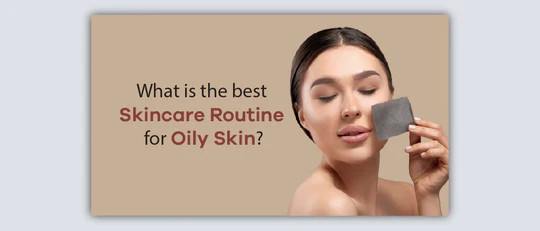
An oily skin condition, popularly called greasy skin or oil face, is the result of a skin that's naturally producing excessive oil or sebaceous gland secretions. This sebum builds up on the outermost layer of the skin and creates shine. Although having an oily complexion isn't considered a major concern, you might be bothered that your face looks greasy every time you put on makeup or walk out of the house. But you shouldn't worry; there are many ways to manage an oily complexion and maintain a healthy looking skin.
If you are not sure you can also get a free online skin analysis to help you reconfirm your skin type. If you have oily skin, you know how much of a challenge it is to find the right skincare routine. Whether you are obsessed with skincare or a complete newbie, probably everyone will be interested in finally finding a solution to oily skin.
Read on to learn more and find the perfect skin care routine for oily skin.
Highlights:
Causes of Oily Skin
Skin Care Routine for Oily Skin
Tips for Oily Skin
What are the causes of oily skin?
Oily skin is a common problem for both men and women. It can be embarrassing when your face looks shiny, especially if you are at school or work.
There are many possible causes of oily skin, including:
- Genetics
If one of your parents has oily skin, then there is a good chance that you will also have it.
- Hormones
Changes in hormone levels during puberty and pregnancy can make your skin more oily than usual.
- Stress
Stress can make your body produce more oil than normal in an attempt to keep it healthy and strong.
- Environment
Being exposed to pollution, heat or humidity can make your pores produce more oil than usual.
- Medication
Certain medications also can cause increased oil production on your face — for example, birth control pills or antidepressants can increase oil production and breakouts in women who take them long term.
Read more: https://thekailon.com/blogs/news/what-is-the-best-skincare-routine-for-oily-skin


