menu
arrow_back
Bariatric surgery- Dr. Samrat Jankar | Best Bariatric Surgeon in Pune | Bariatric surgery in Pune
Bariatric surgery is a procedure performed on the stomach or intestines to help obese people lose weight. This surgery, also known as gastric bypass, is a renowned weight-loss operation.

Bariatric surgery- Dr. Samrat Jankar | Best Bariatric Surgeon in Pune | Bariatric surgery in Pune


Bariatric Surgery

Bariatric surgery is a procedure performed on the stomach or intestines to help obese people lose weight. This surgery, also known as gastric bypass, is a renowned weight-loss operation.

Here, the surgeon changes your digestive system by restricting the amount of food your stomach can hold. So, the patient can eat or drink in smaller quantities, resulting in weight loss.

Bariatric procedures result in weight loss either by reducing the quantity of food held by the stomach or combining both gastric restriction and malabsorption of nutrients.

Now, let’s know,

When should you consider Bariatric surgery?

  • You are extremely obese.
  • Your body mass index (BMI) is 40 or more.
  • Your BMI is above 35.
  • You also suffer from one or more weight-related health issues such as:
  1. Type 2 diabetes
  2. Osteoarthritis
  3. Heart diseases
  4. Non-alcoholic fatty liver disease
  1. Hypertension
  2. Gastrointestinal disorders
  3. Lipid abnormalities
  4. Severe sleep apnea
Apart from medical evaluation, including your weight and nutrition habits, Dr. Samrat will assess you on the following factors –

Your Mental Status

If you are an average individual with a positive frame of mind, then you are suitable for bariatric surgery. If you have psychological disorders such as anxiety disorder, childhood sexual abuse, binge eating, bipolar disorder, depression, substance abuse, schizophrenia, and so on, then the surgeon will have reservations regarding the outcome of the surgery.

Your Zeal and Motivation

The surgeon and his team will assess you for your adaptability to adjust to significant eating habits and lifestyle changes. You will be required to strictly follow the prescribed food and eating guidelines and an exercise regimen for the best outcome of the bariatric surgery. If you pass this test, the surgeon will agree to perform the bariatric surgery on you.

Your Age

​Age is yet another vital factor. It is not advisable to perform bariatric surgery if you are a teenager with a BMI of 35 or more accompanied by obesity-related health conditions. The surgery can be safely performed on adults, including those above 60 years.
Now, let’s take a look at,


Different Types of Bariatric Surgeries

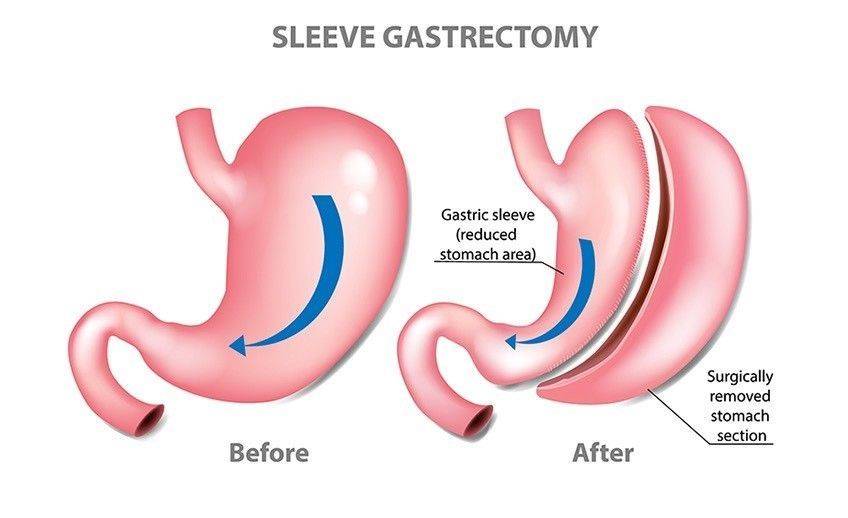
(i) Laparoscopic Sleeve Gastrectomy

The surgeon will remove around 75% of your stomach during this procedure, leaving a tube-shaped stomach. This procedure takes about 1 to 2 hours to complete.

By limiting the size of your stomach, you are prevented from consuming more food, and also it brings about hormonal changes that help you lose weight. Patients are mostly discharged within 1 to 3 days after the surgery. You can return to your everyday activities within a week, but it will take 2 to 3 weeks for the incision to heal.

(ii) Laparoscopic Roux-en-Y Gastric Bypass

The surgeon will divide the stomach into large and small portions in this procedure. The smaller section is stapled or sewn to make a small pouch. Then the surgeon will directly connect the pouch to the small intestine. 

By doing so, the swallowed food goes to the small pouch and then directly into the small intestine. It bypasses the larger portion of the stomach and the first section of your small intestine. After Laparoscopic Roux-en-Y Gastric Bypass surgery, you will be in the hospital for around 2 to 3 days and return to normal activities within 2 to 3 weeks.

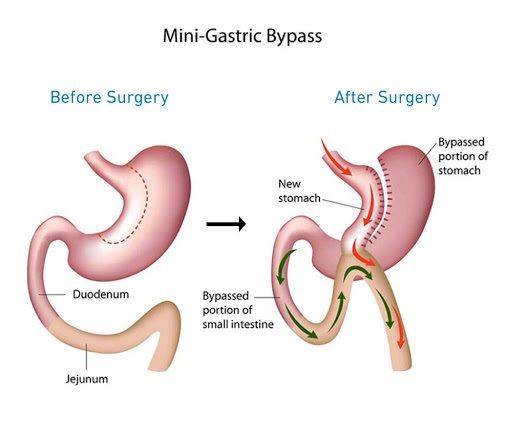
(iii) Laparoscopic Mini Gastric Bypass

​The Mini Gastric Bypass is a short, simple, and reversible laparoscopic surgery that combines gastric sleeve and gastric bypass surgery properties. In this procedure, the stomach is divided by the laparoscopic stapler to reduce its size to hold less food.

Then the surgeon bypasses around 2 to 7 feet of the intestine and attaches the new stomach to the remaining intestine. This surgery offers a shorter operating time and minor re-routing of the intestine. Depending on your overall health, you will have to stay around 1 to 2 days in the hospital. The recovery period is mainly similar to gastric bypass surgery.

Let’s discuss about,

Initial ​Dietary Suggestions After Bariatric Surgery​

1st – 2nd day – Consumption of clear liquids.

3rd day onwards – consumption of broth, juice, decaffeinated tea or coffee, skim milk, etc.

From 2nd week after surgery

Consumption of pureed food with absolutely no solids.

The foods should be pureed, mashed, and strained.

Each meal should be approx. 4 – 6 tablespoons

You can have up to 3 – 6 meals per day

It would help if you chew the food very slowly – it is okay to take 30 minutes per meal.

After a few weeks, you will be allowed to have –

Soft foods – eggs, cooked cereal, rice, fruit without skin or seeds, vegetables without skin, flaked fish, 3 -5 meals per day, 1/3 – ½ cup portion of food per meal

General Diet Instructions to be followed always

keyboard_arrow_up