


Find us on Social Media:
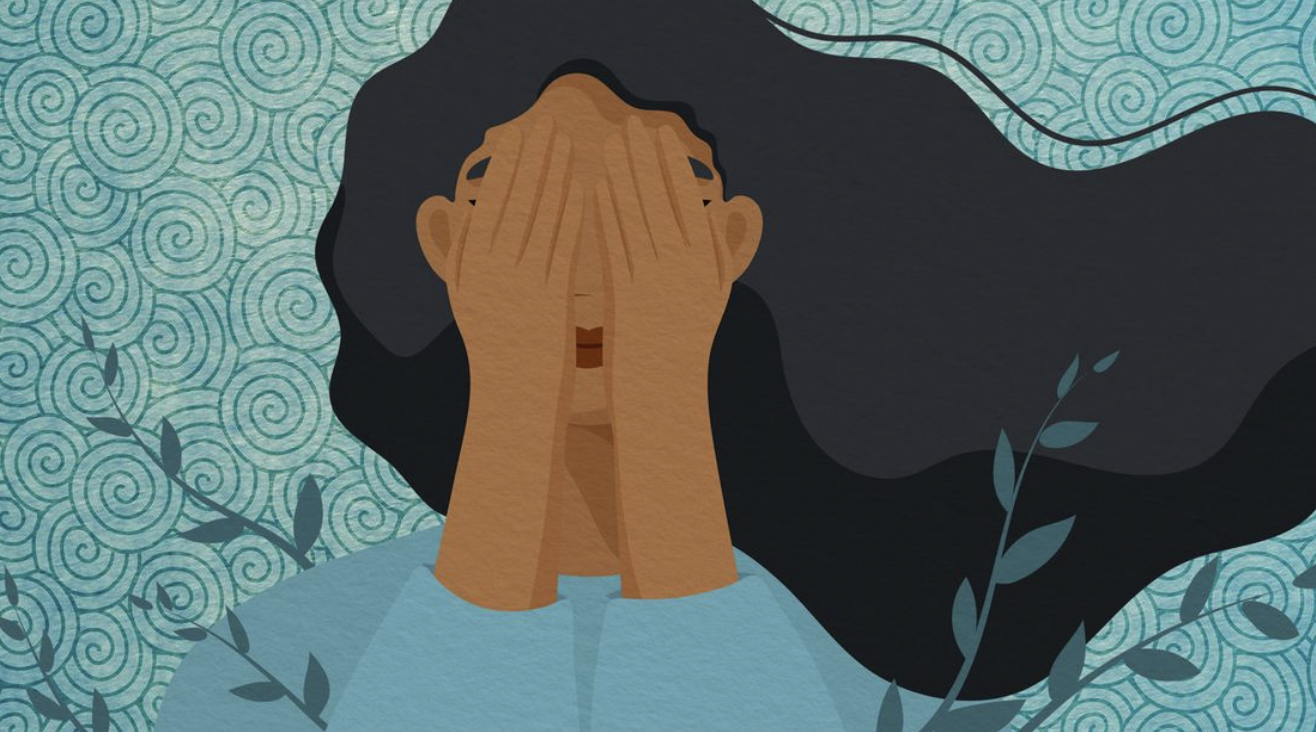
Seasonal affective disorder (SAD) is a form of depression known as winter depression or seasonal depression. People with SAD experience mood changes and other symptoms similar to depression. The symptoms usually occur during winter and fall months and improve at the arrival of spring.
The most difficult months for people who suffer from SAD tend to be worse in December, January, and February. However, a few people experience SAD during the summer months. Seasonal depression is more than just “winter blues.” The symptoms can cause significant distress and interfere with your daily functioning. The good news is that SAD is treatable.
Millions of adults in the United States suffer from seasonal affective disorder. About 5% of US adults experience SAD every year. It tends to start in young adulthood, between 18 and 30 and is more common in women than men. SAD typically lasts about 40% of the year. About 10 to 20% of people will experience a milder form of seasonal depression.
SAD is more common among those who live further north, where daylight hours are shorter in winter. For instance, those living in New England and Alaska are more likely to develop winter depression than those in Florida. A family history of SAD may increase the likelihood of experiencing the condition. Certain conditions may increase the risk of SAD, including bipolar disorders, ADHD, schizophrenia, anxiety disorder, or panic disorder,
The exact cause of SAD is unknown, but the condition has been linked to reduced sunlight exposure during shorter fall and winter days. The existing theory is that the lack of sunlight causes the hypothalamus to stop functioning correctly, which affects the following:
Melatonin production – melatonin is the hormone that makes you want to go to sleep. In people with winter depression, the body may produce higher-than-normal melatonin levels.
Serotonin production – the hormone is responsible for mood, sleep, and appetite. A lack of sunlight exposure might lower your serotonin levels, which is linked to depressive episodes.
Circadian rhythm – the body’s internal clock uses sunlight to control various vital body functions, like when you wake up and sleep. The lower light levels during winter months may end up disrupting your circadian rhythm leading to SAD symptoms.
It’s also possible that your genetic disposition may leave you at a higher risk of seasonal depression since the condition tends to run in families.

The symptoms of seasonal affective disorder usually appear during early winter or late fall and go away during the sunnier days of summer and spring. Less commonly, some people have symptoms that begin in summer or spring. Generally, the symptoms start out mild and become more severe as the season progresses. The symptoms may include:
Feelings of depression or sadness that last most of the day, almost daily
Increased anxiety
Cravings for carbohydrates which result in weight gain
Lack of energy or extreme fatigue
Feelings of worthlessness and hopelessness
You may have trouble concentrating on tasks
Feelings of irritation or agitation
Loss of interest in your usual activities causing you to withdraw from social activities
Sleep problems, characterized mainly by oversleeping rather than insomnia
Suicidal thoughts
People with summer seasonal depression may experience symptoms like:
Restlessness and extreme agitation
Anxiety
Decreased appetite, which may result in weight loss
May have episodes of violent behavior
Trouble sleeping or insomnia
SAD treatments are available for people who suffer from the condition. They may include approaches like:
Psychotherapy
Light therapy
Cognitive behavioral therapy (CBT)
Vitamin D supplements
Antidepressant medications
Spending time outdoors
Seasonal affective disorder is more than winter blues. The condition is a form of depression that needs to be taken seriously. People with SAD exhibit depression-like symptoms that can interfere with their function to perform daily tasks. If you think you’re experiencing symptoms of SAD, talk to your doctor, who can help formulate the best course of treatment for you.
Your email address will not be published. Required fields are marked *
Name *
Email *
Website
Comment
You may use these HTML tags and attributes:
Sign up to receive FREE toolkit
From Dr. Hyman, #1 NY Times & Amazon Author


